
Oral Surgery in Waunakee
Oral Surgery at Our Waunakee Location
This dedicated location allows us to provide focused care in a setting designed specifically for surgical treatment, with the right equipment and support for a smooth experience.
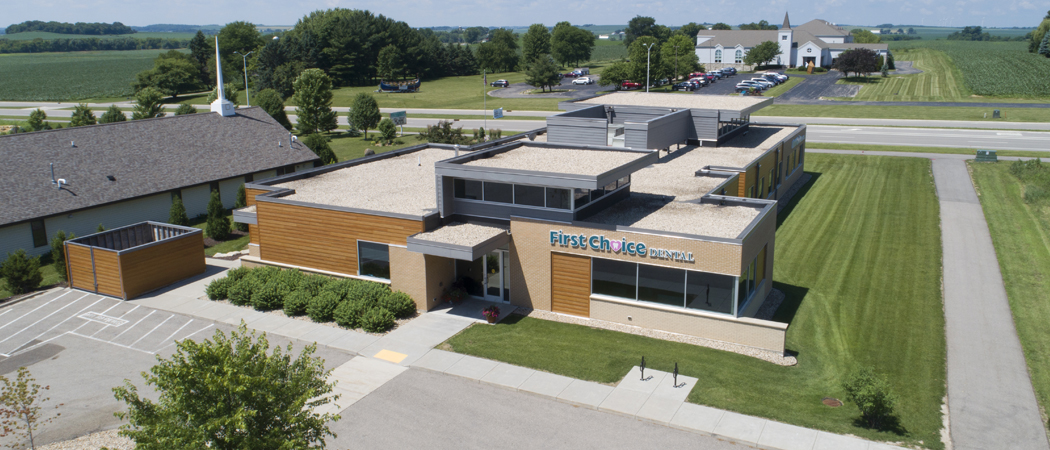
Waunakee Location
1141 Simon Crestway, Waunakee, WI 53597
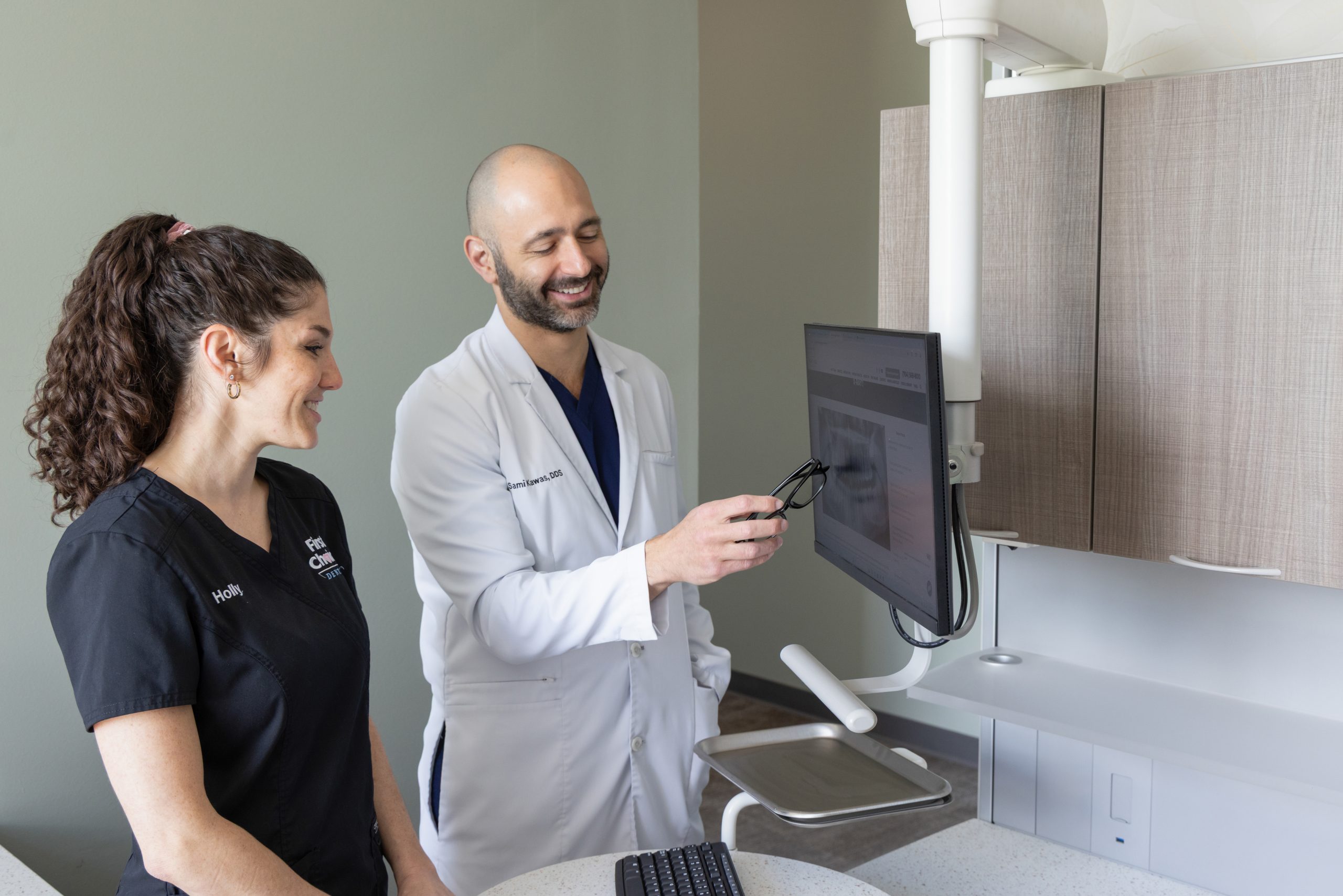
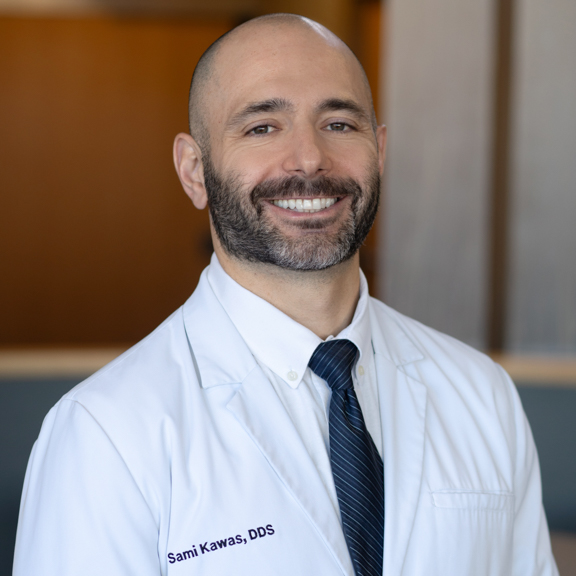
Meet Dr. Sami Kawas
Dr. Sami Kawas focuses on oral surgery and brings advanced training and experience to every procedure.
He earned his Doctor of Dental Surgery degree from The University of Texas School of Dentistry at Houston and completed additional training in advanced general dentistry, dental implants, and IV sedation.
Dr. Kawas is an Associate Fellow of the American Academy of Implant Dentistry and a Fellow of the International College of Dentists. He also serves as President of the Wisconsin Dental Society of Anesthesiology.
His approach combines precision, safety, and a compassionate focus on patient comfort.
Oral Surgery Services
Surgical care planned around your needs.
We provide a full range of oral surgery services at our Waunakee location, all planned around your specific needs.
Wisdom Teeth Removal
Bone & Sinus Grafting
Extractions
Dental Implants
Implant Supported Dentures
IV Moderate Sedation
Care that feels clear, calm, and never rushed.
We understand that surgery can feel overwhelming, and we take that seriously.
- Clear communication so you know what to expect
- A calm, supportive environment
- A team that listens and answers your questions
- A focus on comfort during and after your procedure
- Care that is never rushed
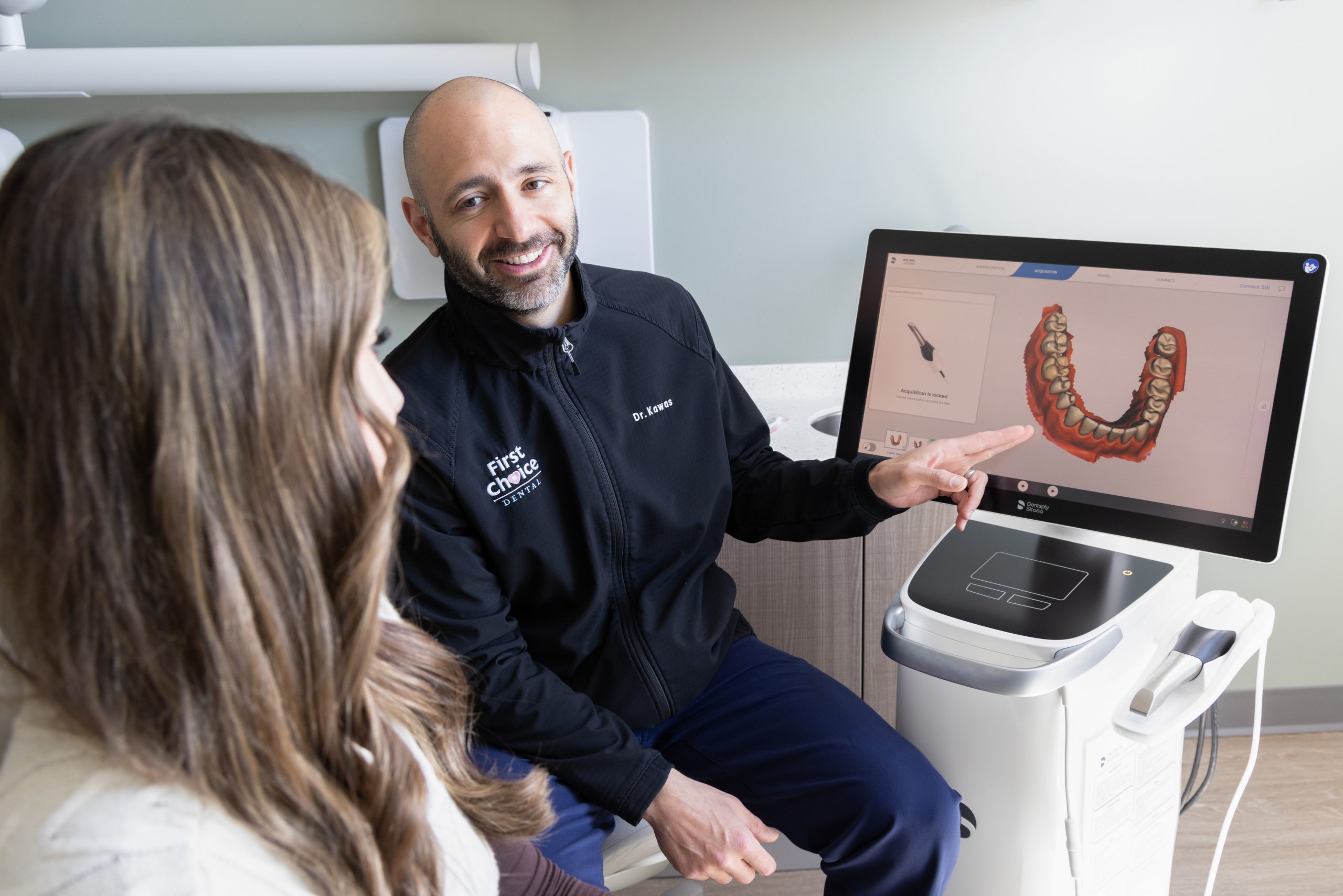
Why Patients Choose Dr. Kawas
Patients trust Dr. Kawas for his focused approach and commitment to high-quality outcomes.
- Experience with a wide range of surgical procedures
- Careful planning and attention to detail
- A strong emphasis on safety and healing
- Clear communication throughout your care
- A patient-first approach to every procedure
Meet Our Providers
A tooth may need to be removed when it is severely damaged, decayed, infected, impacted, or cannot be predictably restored. Extractions may also be recommended to address overcrowding or prepare for another treatment. Your provider will evaluate the tooth and discuss whether it can be saved before recommending removal.
No. Wisdom teeth may not require removal if they are healthy, fully erupted, easy to clean, and positioned correctly. Removal may be recommended when they are impacted, painful, infected, damaging nearby teeth, or creating other oral health concerns.
A simple extraction is generally performed when the tooth is fully visible above the gumline and can be removed with standard instruments. A surgical extraction may be needed when a tooth is impacted, broken below the gumline, or more difficult to access. Your provider will explain which approach is needed based on your examination and imaging.
That depends on the procedure and the type of anesthesia or sedation used. Local anesthesia is used to numb the treatment area, and IV moderate sedation may be available to help you feel deeply relaxed. Your provider will review your options and explain what you can expect during the procedure.
Bone grafting helps rebuild or preserve bone in an area where a tooth has been lost or where the jawbone lacks enough volume. It may be recommended after an extraction or before dental implant placement to create a stronger foundation for future treatment.
A sinus graft, also called a sinus lift, is used to add bone to the upper back jaw when there is not enough bone beneath the sinus to support a dental implant. The procedure raises the sinus membrane and places grafting material in the area where additional support is needed.
Recovery time depends on the procedure, your overall health, and how closely you follow your post-treatment instructions. Swelling, soreness, and minor bleeding are common during the first few days. More involved procedures, such as wisdom tooth removal or bone grafting, may require a longer healing period.
Choose soft, cool, or lukewarm foods during the early stages of recovery. Yogurt, applesauce, eggs, mashed potatoes, smoothies eaten with a spoon, and soft pasta are often comfortable choices. Avoid hard, crunchy, spicy, or very hot foods until the surgical area has begun to heal.
Follow your provider’s instructions carefully and avoid smoking, vaping, drinking through a straw, or forceful rinsing during the early healing period. These actions can disturb the blood clot that protects the extraction site and increase the risk of dry socket.
Contact the office if you experience severe or worsening pain, heavy bleeding that does not slow, increasing swelling after the first few days, fever, difficulty breathing or swallowing, or signs of infection. Your care team will provide detailed instructions about what is normal and when to call.
Medical and dental insurance benefits vary by procedure and plan. Implant-related treatment, grafting, and sedation may have separate limitations. First Choice Dental can review your benefits and expected costs before treatment.
Ready to Take the Next Step?
If you’ve been told you need oral surgery or have questions about your options, we’re here to help.