
A GENTLE FIRST VISIT
What Is Dentistry for Children?
Dentistry for children focuses on caring for growing smiles, from first visits through the teenage years.
Regular dental visits help monitor development, prevent common issues, and build confidence so kids feel comfortable returning for care.
HABITS THAT LAST A LIFETIME
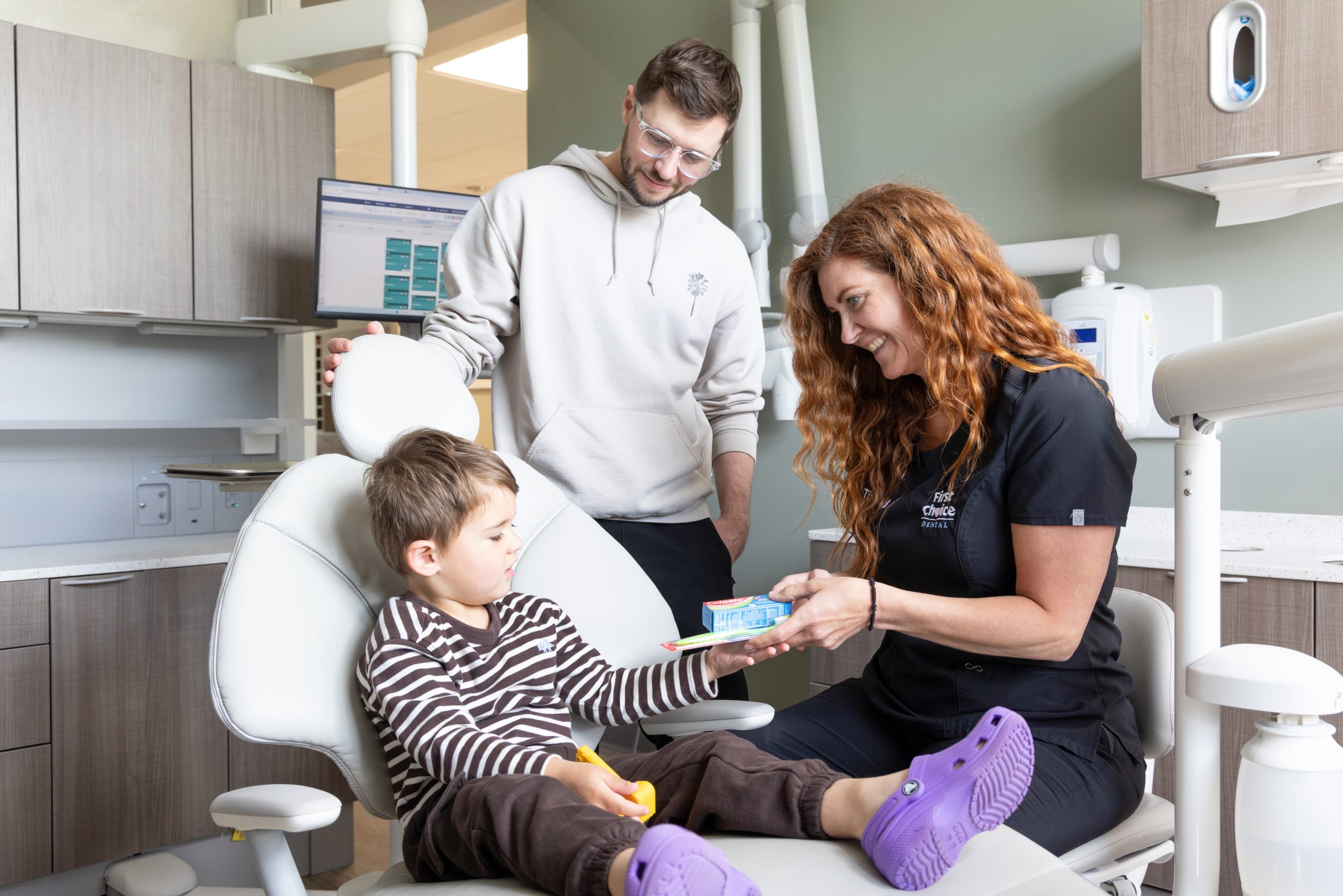
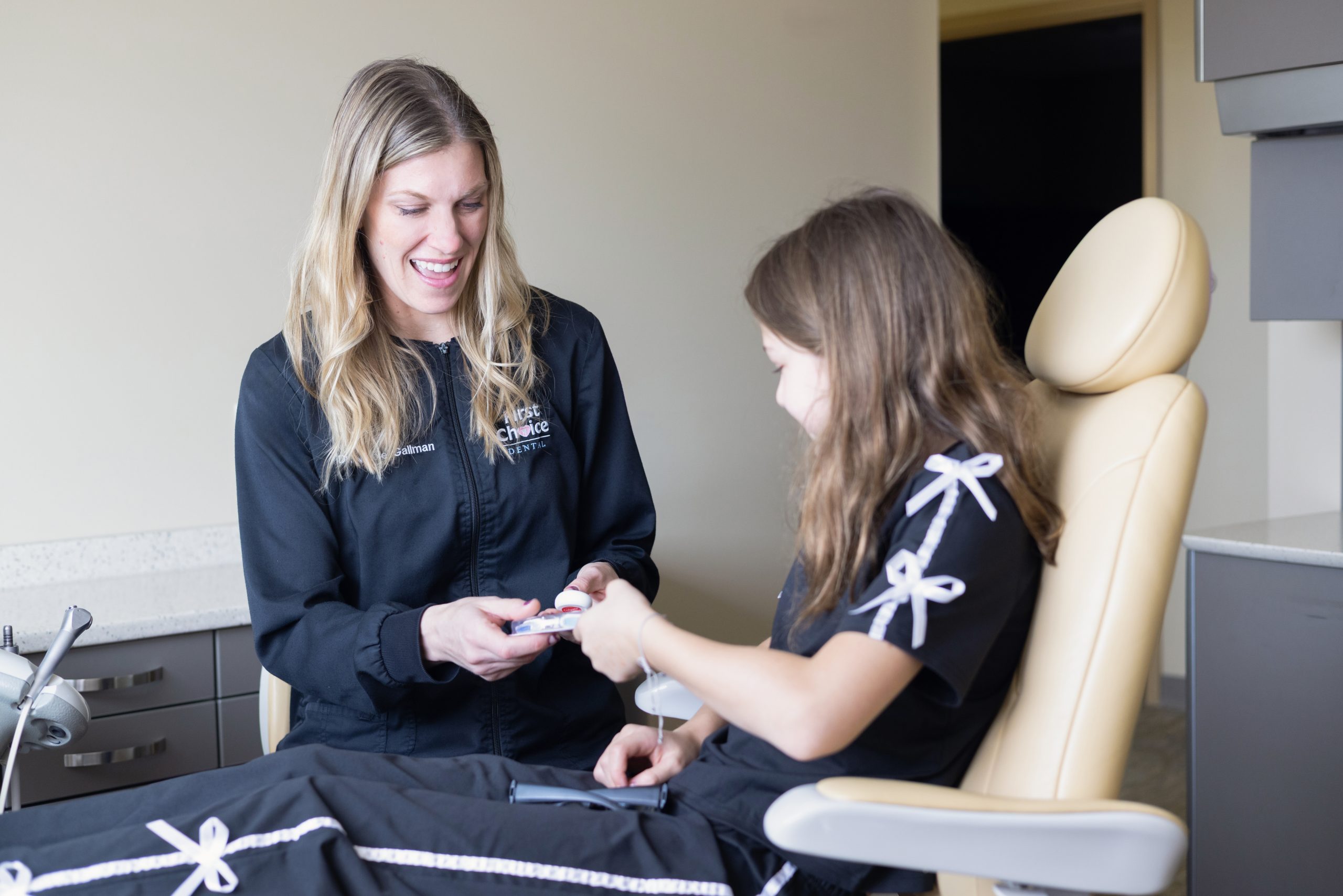
Early dental visits do more than keep little teeth healthy; they help children build a positive, fear-free relationship with the dentist that lasts a lifetime. Our team knows how to make those first appointments feel fun and comfortable, so your child looks forward to coming back.
CARE FOR EVERY AGE
What Treatments Are Included?
Children's dental care includes services to protect and support developing teeth.
Routine Cleanings
Dental Exams
Digital X-rays
Fluoride Treatments
Dental Sealants
Early Cavity Treatment (Curodont)
Fillings & Extractions
Oral Health Guidance
Early Orthodontic Evaluations
Technology & Approach
We use a gentle approach and modern tools to support growing smiles.
- Kid-friendly care focused on comfort
- Digital X-rays
- Preventive treatments to protect developing teeth
- Education tailored to both children and parents
- A focus on building positive dental habits early
Why Choose First Choice Dental for Children's Dental Care
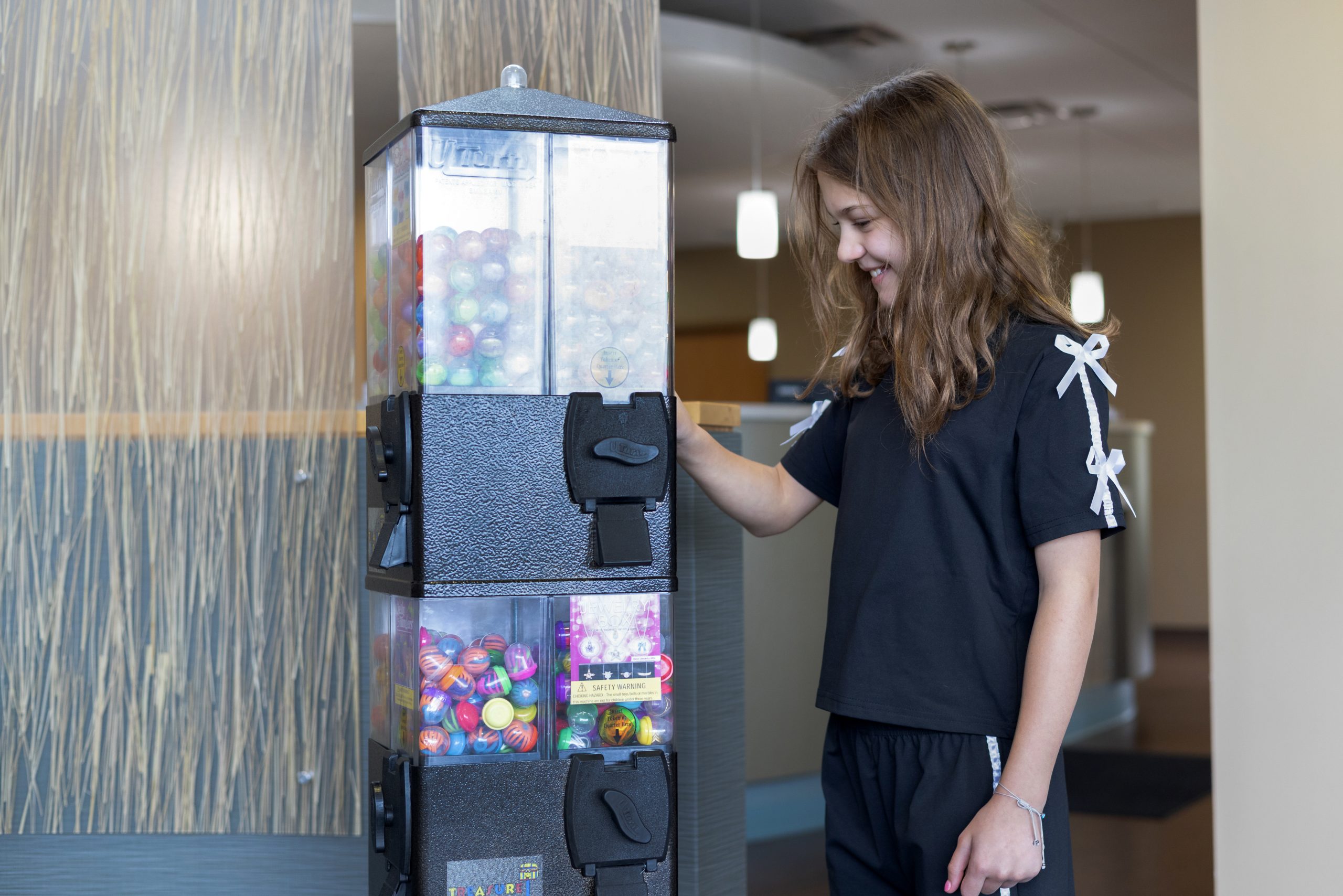
- A welcoming, family-friendly environment
- A team experienced in working with children
- Gentle care designed to build confidence
- Convenient scheduling for families
- A focus on long-term oral health from an early age




A child’s first dental visit is generally recommended around the time their first tooth appears or by their first birthday. Starting early gives the dentist an opportunity to monitor development, answer questions, and help your child become comfortable with dental visits.
The first visit is usually simple and focused on helping your child feel at ease. Depending on their age and comfort level, the dentist may examine their teeth and gums, perform a gentle cleaning, review brushing habits, and talk with you about nutrition, fluoride, and what to expect as their smile develops.
Children benefit from a dental exam and cleaning every six months. Some may need more frequent visits based on their cavity risk, oral hygiene, development, or other dental concerns. Your child’s dentist will recommend a schedule based on their individual needs.
Dental X-rays use a low level of exposure and are recommended when needed to evaluate your child's oral health. Digital X-rays allow the dental team to monitor developing teeth, identify cavities between teeth, and find concerns that may not be visible during an exam.
Dental sealants are thin protective coatings placed over the chewing surfaces of back teeth. They help prevent food and bacteria from collecting in the deep grooves where cavities commonly form. Your dentist can determine whether sealants would benefit your child based on their teeth and cavity risk.
Curodont is a noninvasive treatment that may be used for certain early cavities before a traditional filling is needed. It supports the tooth’s natural remineralization process and may help stop or reverse early decay. Not every cavity qualifies, so the dentist will evaluate whether it is appropriate for your child.
Use positive, simple language and avoid sharing stories about painful or stressful dental experiences. Let your child know the dental team will count, clean, and check their teeth. Bringing children in for regular visits from a young age also helps the office feel familiar and builds confidence over time.
Begin cleaning your child’s mouth before teeth appear by gently wiping the gums. Once the first tooth comes in, brush twice a day with a soft toothbrush and a very small amount of fluoride toothpaste. As your child gets older, continue supervising until they can brush thoroughly on their own.
Children should be monitored as their permanent teeth and jaws develop. An early orthodontic evaluation can identify bite concerns, crowding, or growth patterns that may benefit from monitoring or treatment. The American Association of Orthodontics recommends an orthodontic screening at age 7.
Contact the dental office as soon as possible if your child has significant tooth pain, swelling, a broken tooth, uncontrolled bleeding, or an injury to the mouth. If a permanent tooth is knocked out, handle it by the crown rather than the root, keep it moist, and seek immediate dental care.
Ready to Schedule Your Child's Visit?
We're here to help your child feel comfortable, confident, and cared for at every stage.